
Fast, safe access to your septic tank lid
Septic Tank Riser Installation in Concord, NC
Septic Tank Inspection Concord NC connects you with local pros who install secure, watertight risers so maintenance takes minutes - not hours of digging.
Need septic tank riser installation?
If you need frequent maintenance but your tank lid is buried, every visit can mean guesswork, digging, and a torn‑up yard. Homeowners ask for septic tank riser installation when lids sit one to three feet below grade, are hard to find, or have become unsafe to pry up. A riser brings the access point to ground level with a sealed cover, so routine service is safer and quicker, and you avoid repeated disturbance to grass, mulch, and hardscape.
Many older systems around Concord, NC were set deep to follow slope or avoid traffic areas. Over time, added topsoil and landscaping make the lid even harder to reach. If you’ve experienced slow appointments due to locating and excavation, or you’ve seen water pooling over the lid area after storms, a riser can help reduce risk of infiltration and prevent damage from repeated digging. It also supports regular upkeep recommended by public agencies, which helps protect your drainfield and groundwater EPA guidance.
Matched local pros measure your tank depth, choose a durable riser system, and install a locking, child‑resistant lid that’s easy to service and discreet in the yard. The result is clean access, less yard disruption, and a safer way to maintain your system year after year.

What septic tank riser installation involves
Matched local pros focus on making your tank easy and safe to access without repeated digging. The visit starts with confirming tank location, uncovering just enough to expose the existing lid, and measuring depth from the lid to finished grade. They also look at slope, drainage patterns, and nearby landscaping to select a riser height that finishes flush with the lawn or slightly above to shed water.
Material selection is based on your tank type and site conditions. For most homes, pros use corrosion‑resistant polyethylene or composite riser systems with molded gaskets and stainless hardware. These are light to handle, watertight when sealed correctly, and available with locking, child‑resistant lids in low‑profile styles. Where weight or vandal resistance is a priority, concrete riser sections and heavy covers may be recommended.
Excavation for septic tank riser installation is kept tight and tidy. Sod is set aside, soil is staged on tarps, and roots or small rocks are managed so the tank rim isn’t damaged. The goal is a neat work area that protects your lawn and makes final restoration straightforward.
The transition from your tank to the new riser is handled with an adapter ring designed for your tank material (concrete, fiberglass, or plastic). Pros clean the rim, correct irregularities if needed, and apply butyl tape or manufacturer‑approved sealant to create a continuous, watertight bond. This step is critical to keep odor out and surface water from getting in.
Riser sections are stacked to the required height and carefully leveled with the finished grade. Installers check for square alignment so the lid seats properly and won’t rock. Depending on your yard, they may set the cover a touch above grade to discourage puddling, or finish it flush for a mower‑friendly profile.
Once assembled, the system is fastened with stainless screws or bolts to meet the lid’s specified load rating. Gaskets are inspected, hardware is torqued evenly, and the joint between the adapter and tank is sealed. Many pros perform a simple splash test around the joint area and a sniff test at the lid to confirm a tight seal with no odor escape.
Backfill is compacted in lifts to reduce future settling, and topsoil is graded to match the lawn. The saved sod is reset where possible, or the area is dressed with seed and straw. Before leaving, the installer records measurements from fixed points... such as a corner of the house or driveway edge... so you’ll always know exactly where the access is.
Safety and longevity are built in. Locking or bolted covers help prevent unauthorized access, textured lids reduce slip risk, and UV‑stable materials resist sun damage. The finished riser maintains ventilation through the system’s normal plumbing vent; no additional venting is added at the lid. Pros also discuss simple care tips, like keeping mulch and heavy planters away from the cover and maintaining positive drainage away from the access point.
Polyethylene/Composite Risers
Lightweight, corrosion‑resistant risers and lids with molded gaskets and stainless hardware.
Concrete Riser Sections
Heavy‑duty sections and covers for high‑traffic or vandal‑prone locations.
Adapter Ring Retrofits
Tank‑specific adapters to transition older concrete or fiberglass lids to modern riser systems.
Locking, Child‑Resistant Lids
Secure covers with tamper‑resistant fasteners and safety labeling.
Flush Or Proud Finish
Set the final lid flush for mowing or slightly above grade to shed water.
Seal And Odor Upgrades
Butyl sealants, gaskets, and hardware choices to improve watertight performance.
What affects the price of septic tank riser installation
The depth from ground level to the existing tank lid is a major driver. Deeper lids require more excavation and additional riser sections to reach grade. The number of access points also matters; two‑compartment tanks often need a riser over each lid for full, safe service access.
Tank construction influences the scope. Older concrete tanks can require adapter rings or surface prep to create a flat, clean sealing surface. Plastic or fiberglass tanks may accept direct‑fit adapters that streamline installation.
Site conditions add variability. Dense roots, rocky soils, hardscape nearby, or tight access that limits equipment use can increase labor. If the area needs sod cutting, hand digging, or extra restoration, that is reflected in the final price.
Material choices affect totals as well. Composite lids with high load ratings, security fasteners, and premium gaskets cost more than basic covers, but they offer better durability and safety. In higher‑visibility areas, low‑profile, color‑matched lids may be selected for a better look.
Local requirements can play a role. Some jurisdictions treat riser work as maintenance; others may ask for a simple notification or inspection. The matched pro will clarify what applies at your address and include any permit coordination in the scope.
Independent local contractors typically charge $300 - $700 for septic tank riser installation. See septic tank riser installation costs in Concord, NC.
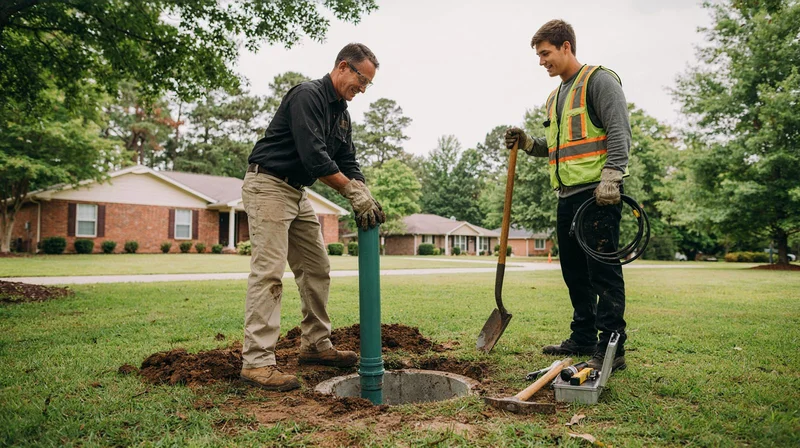
Why Choose Us for Septic Tank Riser Installation?
Local pros who know Concord, NC soils
Installers familiar with clay, mixed fills, and slopes choose riser systems and finishes that drain well and last.
Neat, low‑impact work
Tidy excavation, saved sod, and careful backfill reduce yard disturbance and make restoration simple.
Watertight, secure results
Quality gaskets, butyl seals, and locking lids help block groundwater and odors while improving safety.
Options that fit your yard
Flush‑mount or slightly proud finishes, green lids, and load ratings are matched to how you use the space.
Clear communication from start to finish
Expect straightforward scheduling, material choices explained in plain language, and written scope details.
How local pros complete septic tank riser installation
Confirm Location And Plan
Review any records or photos, verify the tank and lid positions, measure depth to grade, and note slope and drainage so the finished riser sheds water.
Prepare A Clean Access Area
Cut and save sod, stage soil on tarps, and expose the existing lid carefully to protect the tank rim and nearby landscaping.
Fit The Adapter Ring
Clean the tank opening, correct minor irregularities, and bond a tank‑specific adapter with butyl tape or approved sealant for a watertight base.
Build The Riser To Grade
Stack and level riser sections to the target height, align for a flat lid seat, and check that the finish will be flush or slightly proud as planned.
Secure The Lid And Seal Joints
Install gaskets and stainless hardware, torque evenly, and test for a tight seal that keeps out groundwater and keeps in odors.
Backfill, Restore, And Document
Compact soil in lifts, reset sod or seed and straw, then mark measurements from fixed points so you always know exactly where the access is.
Septic Tank Inspection Concord NC Is Proud to Serve the Concord, NC Area
Septic Tank Riser Installation FAQs
Will septic tank riser installation work with older concrete tanks as well as newer plastic tanks?
Yes. Pros use tank‑specific adapter rings to transition older concrete, fiberglass, or plastic lids to modern riser systems. The tank rim is cleaned and prepped so the adapter bonds well, creating a flat, sealed base for the new riser and cover.
How high should the riser be for septic tank riser installation on a sloped lawn?
Installers measure the depth to the lid and the yard’s grade, then build the riser to finish flush with surrounding grass or slightly above to shed water. The exact height is set so mowers can pass safely and stormwater does not pool over the cover.
What materials are used in septic tank riser installation, and how do they hold up in North Carolina soils?
Most residential installs use polyethylene or composite risers with UV‑stable lids and stainless hardware that resist corrosion. In high‑traffic or vandal‑prone spots, concrete sections and heavier covers may be chosen for added durability.
Will septic tank riser installation keep out odors and groundwater?
A properly installed riser uses gaskets, butyl tape, and secure fasteners to create a tight, watertight connection. Pros also set the finish at or slightly above grade and verify seals so rain and surface runoff don’t enter at the joint.
Is a permit or inspection needed for septic tank riser installation in North Carolina?
Requirements vary by county. Many treat risers as maintenance, while some may request a notification or inspection. Matched local pros explain what applies at your address and coordinate any paperwork as part of the scope.
How visible will the lid be after septic tank riser installation, and can I landscape around it?
Lids are available in low‑profile, green styles that sit flush or slightly above grade. You can mulch lightly or plant grass around the access, but avoid heavy planters, solid covers, or anything that traps water against the lid.
Contact Us Today for a Free Estimate
Know your system's health and avoid costly backups.
Schedule your septic tank inspection today.
Free — no obligations