
Concord, NC Septic Inspections, Pumping & Repairs
Septic Tank Pumping in Concord, NC
Fast, thorough pump-outs by trusted local pros. Easy scheduling during weekday business hours.
Need Septic Tank Pumping in Concord, NC?
Slow drains, gurgling toilets, or sewage smells often mean your tank is due for septic tank pumping. When a tank gets too full, wastewater can back up into the home or push solids toward the drainfield, risking costly damage. Many homeowners first notice wet spots or greener grass above the tank or lines. That’s a sign to stop postponing; pumping is routine maintenance that protects your system and prevents messy surprises.
Matched local pros handle septic tank pumping with the right truck, hoses, and safety steps to remove sludge and scum, clean the effluent filter if present, and reseal access lids. They’ll also look for warning signs like damaged baffles or backflow into the inlet. The goal is a clean tank, clear flow, and a neat yard when they leave. Regular service is recommended by public health authorities; see this practical overview from the EPA on caring for onsite systems for general guidance EPA guidance.
If you’re unsure when the last pump-out happened, pros can check levels and advise based on household size and tank capacity. Weekday hours are Monday–Friday, 9 AM–5 PM at (704) 707-3026, and service is arranged with local crews in the Concord, NC area so travel is predictable and timing is clear.
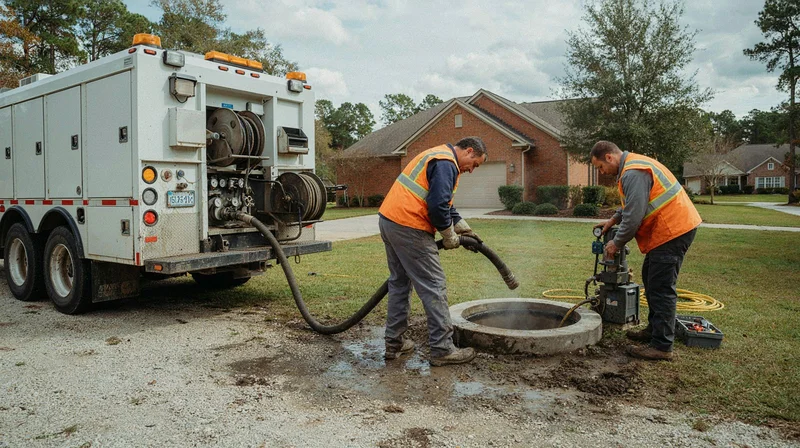
What Septic Tank Pumping Involves
For septic tank pumping, matched local pros bring a vacuum truck sized for neighborhood access and set up near the tank or driveway. They uncover and open the access lids, inspect visible components at the openings, and stage hoses to remove the sludge (solids) and scum (floatables). Agitation breaks up settled material so the tank can be fully emptied to working level, not just skimmed from the top.
During the pump-out, pros watch for signs that matter to long-term performance; things like missing or deteriorated inlet and outlet baffles, a clogged effluent filter, or evidence that water is returning from the outlet side. If an effluent filter is installed, it’s typically removed, rinsed, and reinstalled so the outlet can flow properly after service. Tank condition at the access points is noted so you get a clear picture of what was found.
Access is a key part of septic tank pumping. If lids are buried, crews carefully dig to expose them, aiming to keep turf disturbance small and tidy. Where possible, they use existing risers so repeated digging isn’t needed. Hoses are routed with care to protect landscaping, and trucks stay on stable surfaces to avoid ruts. When pumping is complete, lids are reset and sealed, and the area is raked smooth.
Waste is transported to approved treatment or disposal facilities in accordance with local and state requirements. Before leaving, pros confirm the tank is at proper operating level, recap any observations from the pump-out, and recommend a general interval for your next septic tank pumping based on use and tank size.
Complete Pump-Out
Full removal of sludge and scum with agitation for a thorough clean.
Effluent Filter Service
Rinse and reset of outlet filter to restore even flow.
Lid Access And Resealing
Careful exposure of buried lids, then proper resealing and backfill.
Responsible Transport And Disposal
Hauling to approved facilities following local regulations.
Visual Checks At Access Points
Look for issues like missing baffles or signs of backflow.
Service Record
Notes of tank condition and a suggested pumping interval.
Septic Tank Pumping Cost Factors
Pricing for septic tank pumping depends on the job details at your address. Tank size and how full it is directly affect the time and disposal volume. The number and condition of access lids matters, too; easy, above-grade risers reduce labor compared with digging for buried lids. If a filter needs cleaning, that’s usually quick, but a severely clogged outlet can add time on site.
Access and distance influence the setup. Crews look for a stable parking spot for the truck within hose reach of the tank. Long hose runs, tight gates, or slopes can slow the work. Soil and yard conditions also play a role; saturated ground or dense roots make careful excavation slower when lids are buried. Responsible disposal fees and local requirements are part of the total, since waste must go to approved facilities.
Because every system is a little different underground, pros confirm details at scheduling and again on arrival. You’ll receive a clear explanation of what’s included for septic tank pumping and any site conditions that change the scope. Typical pricing guidance is available on the Cost page for context, while the final quote reflects your specific layout and access.
Independent local contractors typically charge $300 - $600 for septic tank pumping. See typical septic tank pumping costs.
Why Choose Us for Septic Tank Pumping?
Vetted local pros
Homeowners are matched with experienced pumping crews who know Concord, NC systems and soils.
Right‑sized trucks
Vacuum trucks and hoses are selected for neighborhood access and efficient setup at your address.
Clear appointment windows
Weekday scheduling with practical arrival windows and updates if site conditions require extra time.
Careful yard handling
Crews minimize digging, protect landscaping, and leave access areas neat when work wraps up.
Straightforward guidance
You get plain‑English notes on tank condition and a sensible timeline for your next septic tank pumping.
How Scheduling and Service Works
Quick Scheduling
Share your address, estimated tank location, and any concerns. You’ll receive an appointment window that fits weekday hours.
On‑Site Confirmation
The crew reviews access, verifies tank location and lid depth, and stages the truck and hoses safely.
Expose And Open Lids
If lids are below grade, they’re carefully uncovered. Access covers are removed and set aside for a clean reset later.
Pump And Agitate
Sludge and scum are loosened and vacuumed out to working level so the tank is properly emptied for service.
Filter Rinse And Checks
If present, the effluent filter is cleaned and reinstalled. Visible baffles and flow at the access points are reviewed.
Reseal, Tidy, And Dispose
Lids are secured, soil and turf are raked smooth, and waste is transported to an approved facility. A brief service summary closes the visit.
Septic Tank Inspection Concord NC Is Proud to Serve the Concord, NC Area
Septic Tank Pumping FAQs
How often is septic tank pumping recommended?
Frequency depends on tank size and how many people use the home. Many households schedule septic tank pumping every 3–5 years, but heavy use or smaller tanks can shorten that interval. A pro can advise after seeing sludge levels and your setup. Keeping records helps dial in the right rhythm.
How long does septic tank pumping take at a typical home?
Most septic tank pumping visits take about one to two hours once access is confirmed. Buried lids, long hose runs, or a severely packed tank can add time. Crews let you know on site if conditions will extend the visit. The goal is a thorough pump‑out without rushing.
What should I do before septic tank pumping?
Clear driveway space for the truck and unlock gates to the yard. If you know where lids are, mention it to speed access, and keep pets secured. Normal water use is fine before arrival unless a backup is in progress. Pros will handle the rest and tidy the area afterward.
Will septic tank pumping harm my lawn or driveway?
Crews keep the truck on stable surfaces and route hoses to protect landscaping. If digging is needed to expose lids, soil is neatly backfilled and raked. Any disturbance is kept as small as practical. Using risers later can reduce future digging.
What happens to the waste after septic tank pumping?
Pumped material is transported in sealed tanks to approved treatment or disposal facilities under local regulations. Manifests and procedures ensure it’s handled responsibly. This protects public health and the environment while keeping your system on track.
Can septic tank pumping reveal other issues with my system?
Pump‑outs let pros see clues at the access points, like missing baffles or signs of outlet restriction. They may recommend follow‑up inspection if something looks off. Catching concerns while the tank is open helps you plan maintenance before small problems grow.
Contact Us Today for a Free Estimate
Know your system's health and avoid costly backups.
Schedule your septic tank inspection today.
Free — no obligations