 Most popular
Septic Tank Inspection
Thorough septic tank inspection for Concord homes with clear reports and practical next steps.
Learn more about Septic Tank Inspection
Simple scheduling with trusted local contractors. Clear reports and practical guidance for homes across the Concord area.
Concord, NC homes rely on dependable septic care. Septic Tank Inspection Concord NC makes it easy to schedule septic tank inspection first, then add septic tank pumping, septic tank maintenance, septic tank repair, septic tank riser installation, or septic tank locating service when appropriate.
You’ll receive a clear report and practical guidance, so you can prioritize any work without guesswork.
Crews understand local soils and access around driveways, additions, and landscaping common in Concord neighborhoods. Office hours are Monday–Friday, 9 AM–5 PM at (704) 707-3026.
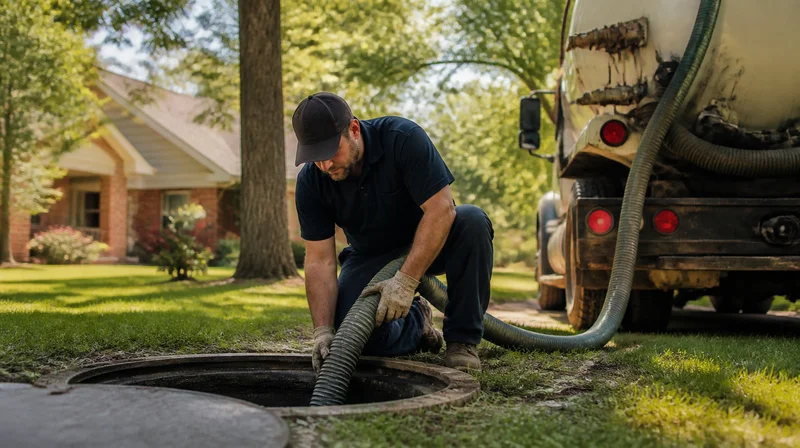
Most popularThorough septic tank inspection for Concord homes with clear reports and practical next steps.
Learn more about Septic Tank Inspection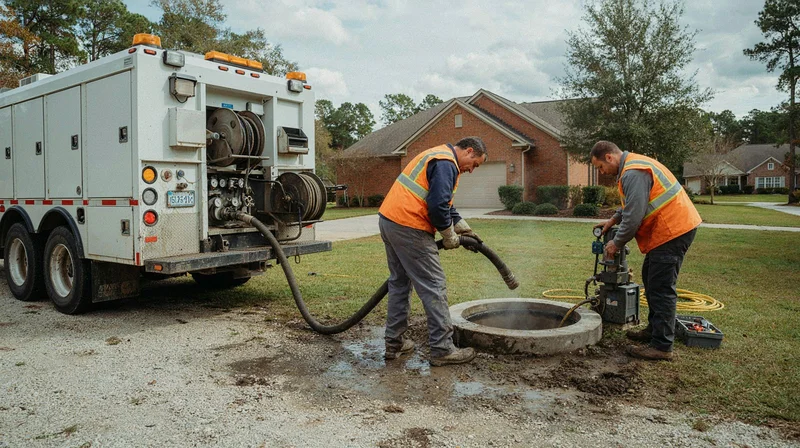
Clean pump-outs and proper disposal by vetted Concord pros.
Learn more about Septic Tank Pumping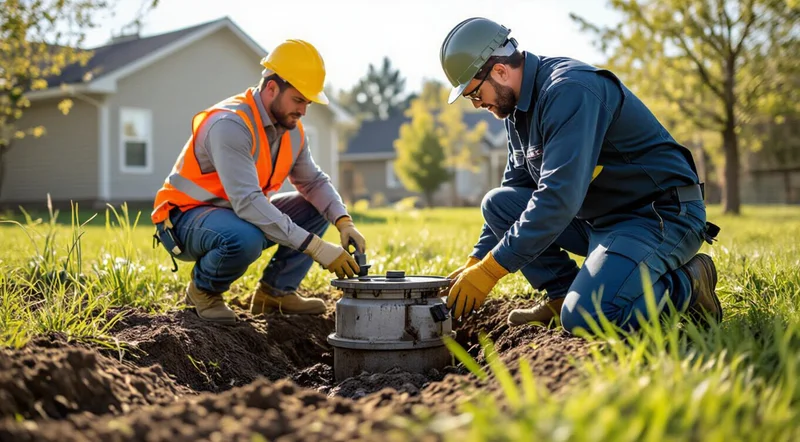
Prevent backups and extend system life with routine care.
Learn more about Septic Tank Maintenance
Skilled local technicians fix damaged tanks, lids, and connections so your system runs safely and reliably.
Learn more about Septic Tank Repair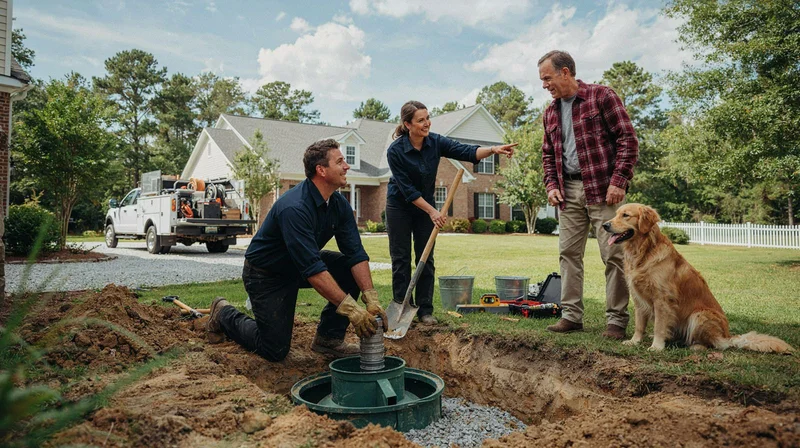
Stop digging for your tank lid. Install a low‑profile, watertight riser for safe, fast access in Concord, NC.
Learn more about Septic Tank Riser Installation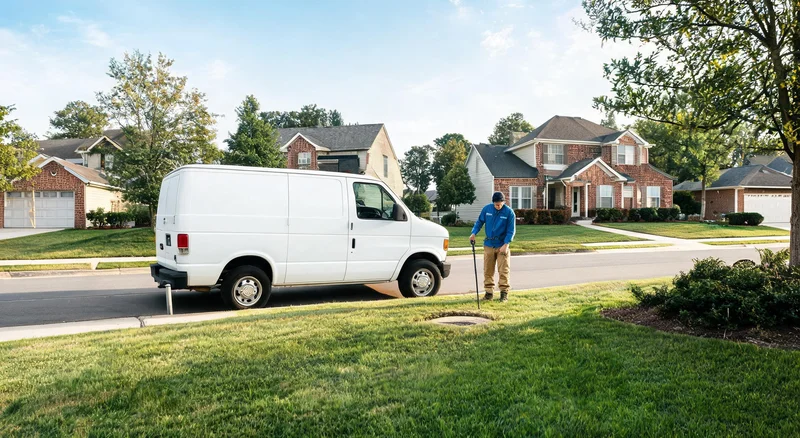
Pinpoint your buried tank fast with minimal disturbance and clear markings.
Learn more about Septic Tank Locating ServiceSewage smells near the yard, slow drains, gurgling pipes, or wet spots by the drainfield can turn into a big mess fast. When a real estate closing is coming up, the clock is even tighter. Septic tank inspection gives you a clear snapshot of system health so you can fix small issues before they become backups or costly repairs.
Septic Tank Inspection Concord NC links Concord, NC homeowners with trusted septic pros who perform thorough septic tank inspection, septic tank pumping, septic tank maintenance, septic tank repair, septic tank riser installation, and septic tank locating service. You get straightforward scheduling, a clear explanation of findings, and notes you can share with a buyer, seller, or lender.
A proper septic inspection looks at tank access, liquid levels, baffles, inlet and outlet condition, and how the system handles normal water flow. Many inspections also include photos and practical next steps. See septic inspection and pumping costs in Concord for typical pricing guidance; exact pricing depends on your tank size, access depth, and site conditions.
A detailed septic tank inspection starts with safe tank access and a review of visible components. Contractors identify the lid location, uncover as needed, and check liquid levels to see how the system is handling daily use. They evaluate inlet and outlet baffles, look for cracks or root intrusion, and note any corrosion on lids or risers. If records are available, they’ll verify tank size and layout against what’s in the ground.
Next, they assess how wastewater moves through the system. That may include a controlled flow test from fixtures to observe how the tank and lines respond under normal household demand. Inspectors often document findings with photos and simple diagrams so you know what’s working, what needs attention, and which items are optional improvements versus priority repairs.
When access is more difficult, pros use careful digging techniques to limit yard disturbance. Many crews carry probing tools and, when appropriate, cameras to evaluate lines between the house, tank, and distribution box. The goal is to gather enough information to make confident decisions without unnecessary excavation.
After the visit, you’ll receive a clear summary and recommendations. If pumping is advised, it can often be coordinated soon after inspection. If repairs are needed, the report will outline likely next steps so you can plan work in the right order. Whether you’re preparing for a property sale or tackling a nagging performance issue, a thorough inspection brings clarity and helps protect your investment.
Typical septic tank inspection cost from independent local contractors: $150 - $300. See septic tank inspection costs in Concord, NC.
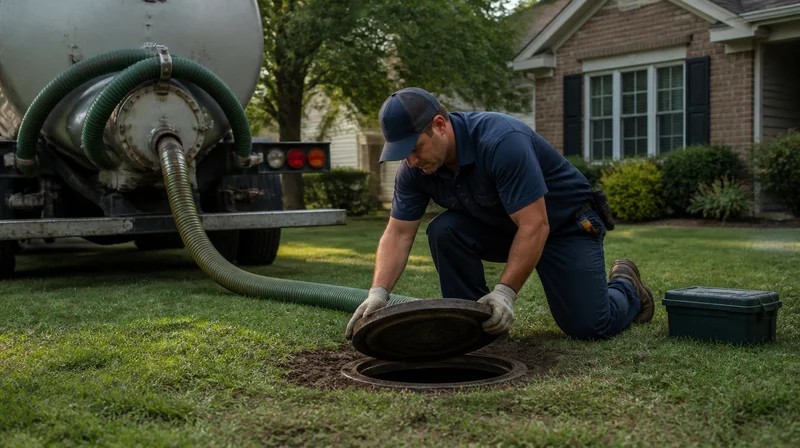
Coordinated pumping to remove sludge and scum, often paired with inspection findings to restore working capacity and prevent backups.
Routine checkups, filter cleaning, and service intervals tailored to household size and usage so systems run smoothly between major visits.
Targeted fixes for baffles, lids, risers, and lines based on inspection results, with attention to long-term performance and code considerations.
Add risers for easier, safer future access. Properly sized and sealed to limit surface water intrusion and reduce yard disturbance next time.
Accurate tank and component locating on properties with limited records, using probing, measurements, and non-invasive techniques whenever possible.
Septic Tank Inspection Concord NC connects Concord, NC homeowners with vetted septic professionals who specialize in septic tank inspection first, then seamless help with pumping, maintenance, and repairs as needed. You get straight answers, simple scheduling, and photo-backed reports you can keep for records or share during a home sale.
From homes near Frank Liske Park to established streets off Union Street in Downtown Concord, and family neighborhoods around Dorton Park and Weddington Road, we match you with pros who know local soils, access challenges, and typical tank placements. That local knowledge helps minimize yard disturbance and pinpoints issues faster.
We focus on clear communication so you know what was checked, what it means, and the practical next steps. If a riser would make future service safer or if pumping is due, you’ll get the why and the when; not a sales pitch. It’s reliable septic guidance for Concord homes, delivered the simple way.
Concord sits on dense Piedmont red clay, which drains slowly and can stress older drainfields after heavy summer storms. Many homes on the city’s edges were built in the 1980s–2000s with septic systems sized for that era’s water use, while additions, finished basements, and more occupants can increase daily flow. Shallow soils on sloped lots and seasonal groundwater near creeks also influence performance. Regular septic tank inspection helps verify baffle condition, tank levels, and field response before backups appear. For general onsite wastewater guidance in North Carolina, see state onsite rules and resources state onsite rules.
Crews dispatch from our Concord, NC office and reach most Concord addresses in about 15–30 minutes. Typical routes include I‑85, Concord Parkway/US‑29, Poplar Tent Road, George W Liles Parkway, and Davidson Highway/NC‑73. Whether you’re near Concord Mills, the Charlotte Motor Speedway, or closer to Downtown, scheduling is planned around local traffic so arrival windows stay realistic.
We connect you with trusted Concord pros who understand local soils, access challenges, and typical system layouts.
Clear diagnostics and photo-backed reports come before recommendations, so you can prioritize pumping, maintenance, or repairs with confidence.
Careful locating and measured digging aim to minimize disturbance while still giving a thorough look at the system.
Appointments are planned around Concord traffic patterns and event days to keep arrival windows realistic.
You’ll receive plain‑English explanations and options that fit your home, from riser installation to maintenance intervals.
Familiarity with Concord’s mix of older neighborhoods and newer subdivisions helps tailor inspections to real site conditions.
Most transactions ask for a documented functional inspection with photos and a written summary of tank, baffles, and drainfield observations. Lenders or agents may have specific forms; your contractor can provide a report you can share.
Yes, but saturated clay can affect observations. Inspectors may note conditions, limit excavation, or recommend a follow‑up check once the ground stabilizes to confirm field performance.
Safe access to the tank, checks of liquid levels and baffles, review of inlet/outlet condition, and observations of how the system handles normal household flow. Photos and recommendations commonly accompany the report.
Short test flows are common and planned around household routines. Inspectors coordinate brief pauses if needed while they check levels and response, then normal water use resumes.
They combine records review with site measurements and careful probing to verify tank access points and line paths, aiming to minimize digging while confirming current conditions.
Yes. If the report indicates that sludge and scum levels are high, pumping is typically scheduled soon after so the system regains working capacity.
Heavy summer storms can raise groundwater and slow drainage in clay soils, while late‑summer dry spells may concentrate solids. Regular inspections help adjust maintenance timing to these patterns.
The report will outline priorities and may suggest coordination with county environmental health for certain repairs. Your contractor will explain timing and documentation based on the scope of work.
Know your system's health and avoid costly backups.
Schedule your septic tank inspection today.
Free — no obligations